What you need to rent a salon suite in Texas: license, insurance and the deposit
November 13, 2026, 4 min read, by Salons of Dallas
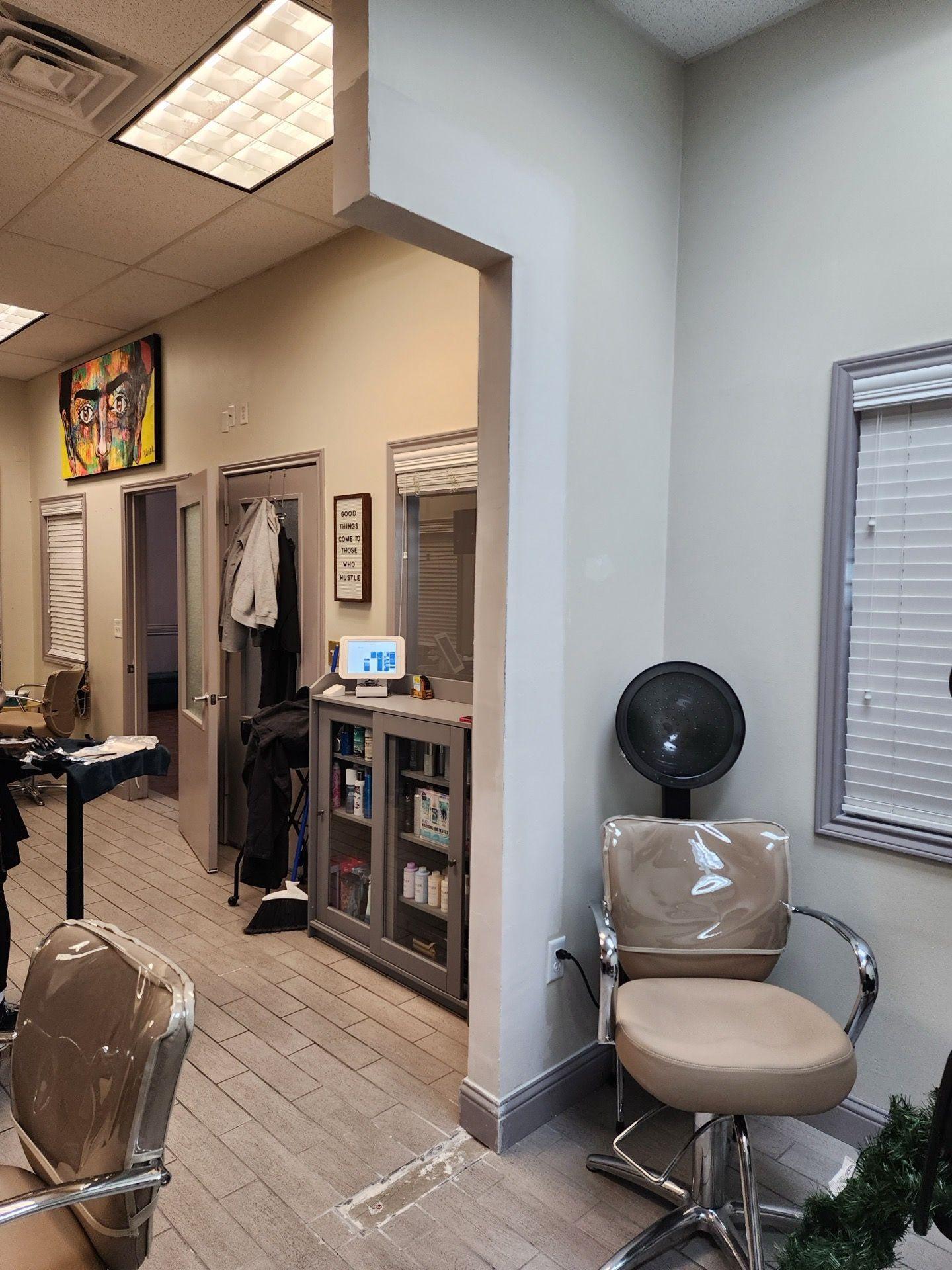
To rent a salon suite in Texas, you'll generally need a valid TDLR license for your trade and liability insurance in your own name, plus a security deposit when you sign. The suite itself is usually licensed separately by TDLR, as a mini-establishment. The rules differ by trade, so check with TDLR for your own situation before you sign anything.
Who licenses what
The Texas Department of Licensing and Regulation, TDLR, licenses cosmetologists, barbers, estheticians, manicurists and eyelash extension specialists. It licenses massage therapists too, under a separate program with its own rules.
What follows is a plain-language starting point, not legal advice. TDLR's own pages are the final word, and they change, so read the current version for your trade.
Hair stylists and barbers
You'll need your TDLR license for the work you do. If you're moving from a commission salon or a booth, make sure the license is current and in your name before you sign a suite lease. Opening week is too late to find out it lapsed. A landlord will usually want to see it, and an expiration date is an easy thing to miss when your mind is on the move.
TDLR has a public license search on its website. Look yourself up the way a landlord or a client might, and check that your name, license type and expiration date are all right.
Estheticians
Estheticians are licensed by TDLR. Facials, waxing and the other services you offer in a suite are the same work you do now, so the license question is mostly about keeping it current. The suite's own license, below, is the part that's new.
Lash artists
TDLR licenses eyelash extension specialists. If you hold a different TDLR license and also do lashes, ask TDLR whether your license covers lash extensions before you build your suite around them.
Nail techs
TDLR licenses manicurists. As with every trade here, check that your license is active, and ask the building what else it needs.
Braiders
Since 2015, under House Bill 2717, people who only do natural hair braiding don't need a state barbering or cosmetology license. That means braiding with no chemicals and no adhesives. Once your services include either, the picture changes, so check with TDLR before you add them.
A suite building can still have its own requirements, so raise it on the tour and there's no surprise at signing.
Massage therapists
TDLR licenses massage therapists. A place offering massage generally needs a massage establishment license too. There's an exemption for a solo practitioner who is the only therapist there and advertises with their own name or license number. TDLR's massage FAQ explains the details. Read it, then check with TDLR before you decide whether the exemption fits you.
The suite's own license
If you've only worked on commission, the salon took care of this one. In Texas, a suite rented inside a licensed salon building is generally licensed as a mini-establishment. TDLR used to call it a mini-salon. It's separate from your personal license.
TDLR's mini-establishment FAQ covers who needs one, how to apply and the current fee. Read it as soon as you're seriously looking. An application can take a while, and you'll want it sorted before your first client walks in.
Liability insurance
Expect any suite building to ask for liability insurance in your name. The reason is simple. When a client is hurt or has a bad reaction in your suite, the claim is about your work, not the building's, and the landlord wants to know you can cover it.
When you shop for a policy:
- Make sure it names you and lists the services you actually do. A policy written for haircuts may not cover waxing, lashes or massage.
- Ask the insurer to explain what's covered and what isn't, in plain words: an injured client, a reaction to a product, damage to the suite.
- Ask the building whether it wants a copy of your certificate of insurance, or wants to be listed on the policy as well.
- Put the renewal date in your calendar. If your lease requires insurance, a lapse can put you in breach of it without you noticing.
The deposit
A security deposit is normal for a suite lease. Ask how much it is, what it can be kept for and how long it takes to come back after you move out. Get the answers in writing, alongside the lease.
ID and business basics
Keep this part simple. Before signing, have:
- A government photo ID.
- A way to pay weekly rent that doesn't depend on remembering it. An automatic payment, or a separate account you fund every day.
- Your business name, if you'll work under one that isn't your own. Look up how to register it in Texas before you print cards or a sign.
- A separate bank account for the business. It isn't required, but it makes tax time far less painful.
- A booking app and a way to take card payments, set up in your business name and ready to go.
What Salons of Dallas asks for
Here, the list is short. Salons of Dallas asks every tenant for a valid Texas license for their trade and liability insurance. A security deposit is due when you sign the lease, and new tenants get up to 4 weeks free. If braiding is all you do, ask the leasing office on your tour what they'll need from you in place of a license.
Bring your license and an insurance quote to the tour if you have them. It makes the conversation faster, and you'll leave knowing exactly what's left to do. Tours run Monday to Saturday, 8:30 AM to 7:30 PM. Call the leasing office at (214) 350-2585, text Randa at (214) 906-9923, or request a time on our lease page.
All articles